My Story
Director, Michael Saye
I began developing "The Thrill of Speed" several years before production. The film grew out of my experiences working warehouse jobs as a young adult and spending time with the people who worked alongside me. While the story is fictional, many of its situations, conversations, and observations come from that period of my life.
The characters are not based on any one person. Instead, they are composites of people I have known throughout my professional experience. Their personalities, perspectives, and relationships were shaped by years of meeting coworkers from different backgrounds and watching how they approached work, friendship, and life outside of work.
The film was financed through my work in the Alaskan commercial fishing industry. During fishing seasons, I continued developing the screenplay and planning the production, using those earnings to fund the project independently.
"The Thrill of Speed" is my debut feature film. It was produced independently over several years of planning and development, with the goal of telling a story grounded in the people, places, and experiences that inspired it.
The Production
The Production
"The Thrill of Speed" was produced using a hybrid approach that combined a traditional screenplay with extensive improvisation. The original script was approximately 90 pages in length. During pre-production, it was reduced to roughly 50 pages, with the intention of allowing the actors greater freedom to develop their characters and interactions through improvisation.
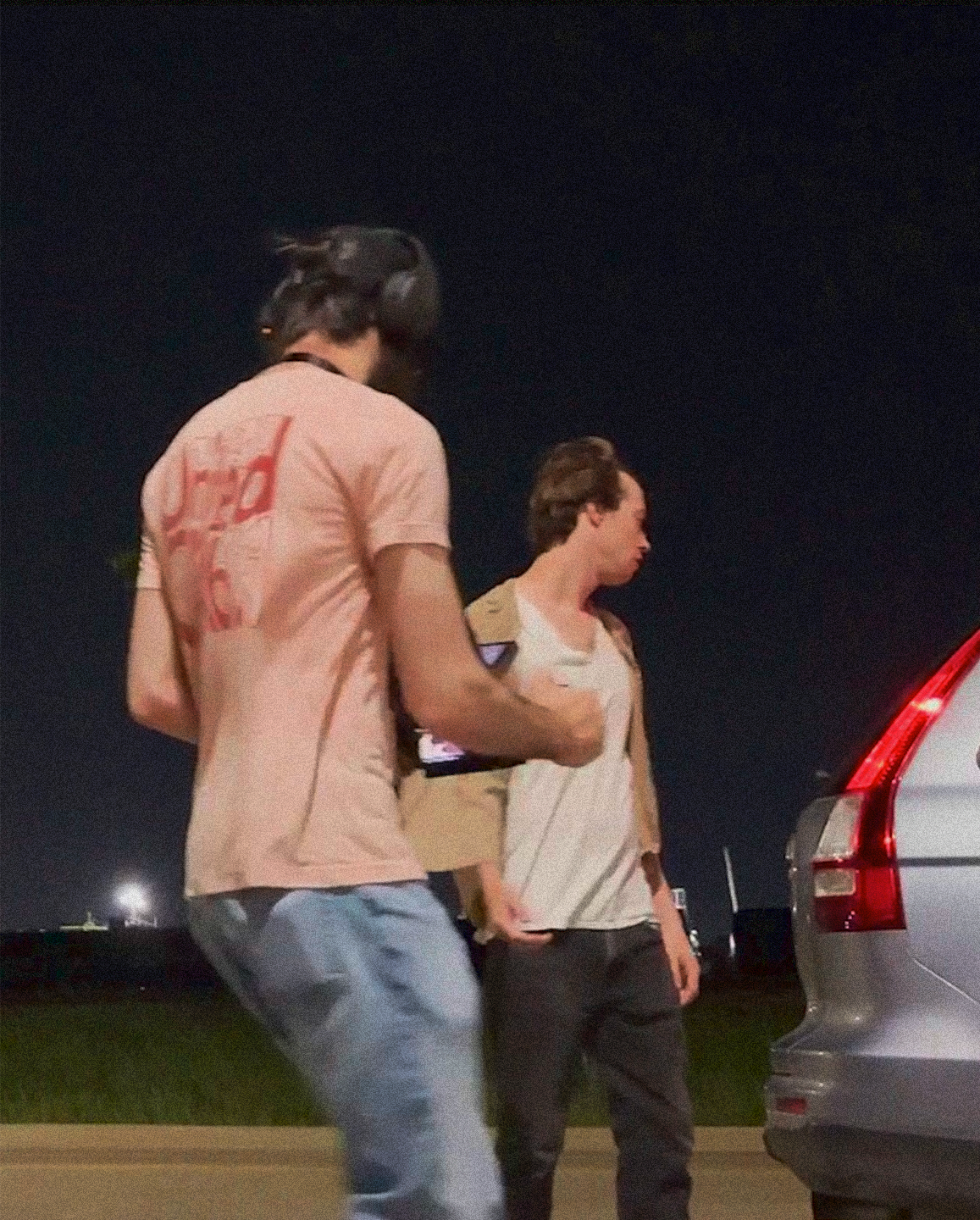
While the film follows a defined story structure, much of the dialogue, blocking, and moment-to-moment action was created during production. A significant portion of the film's final material originated from the cast. Actors frequently expanded scenes beyond what was written on the page, and several sequences were developed entirely on location to address opportunities or gaps discovered during filming.
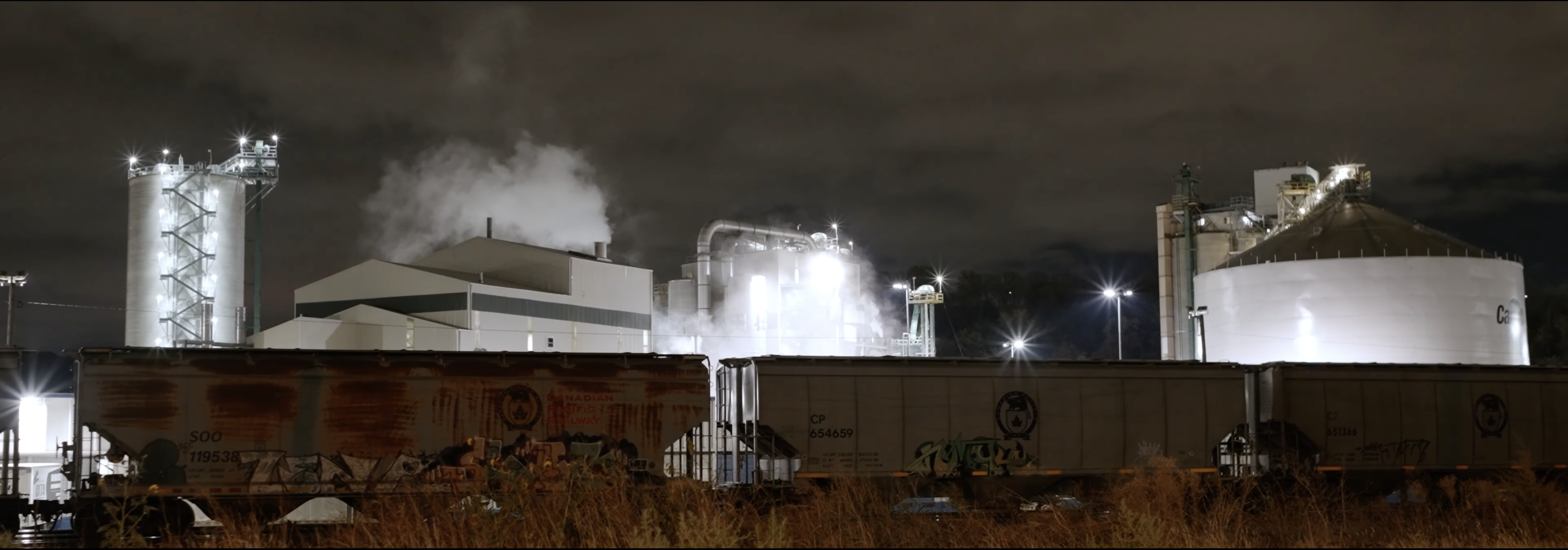
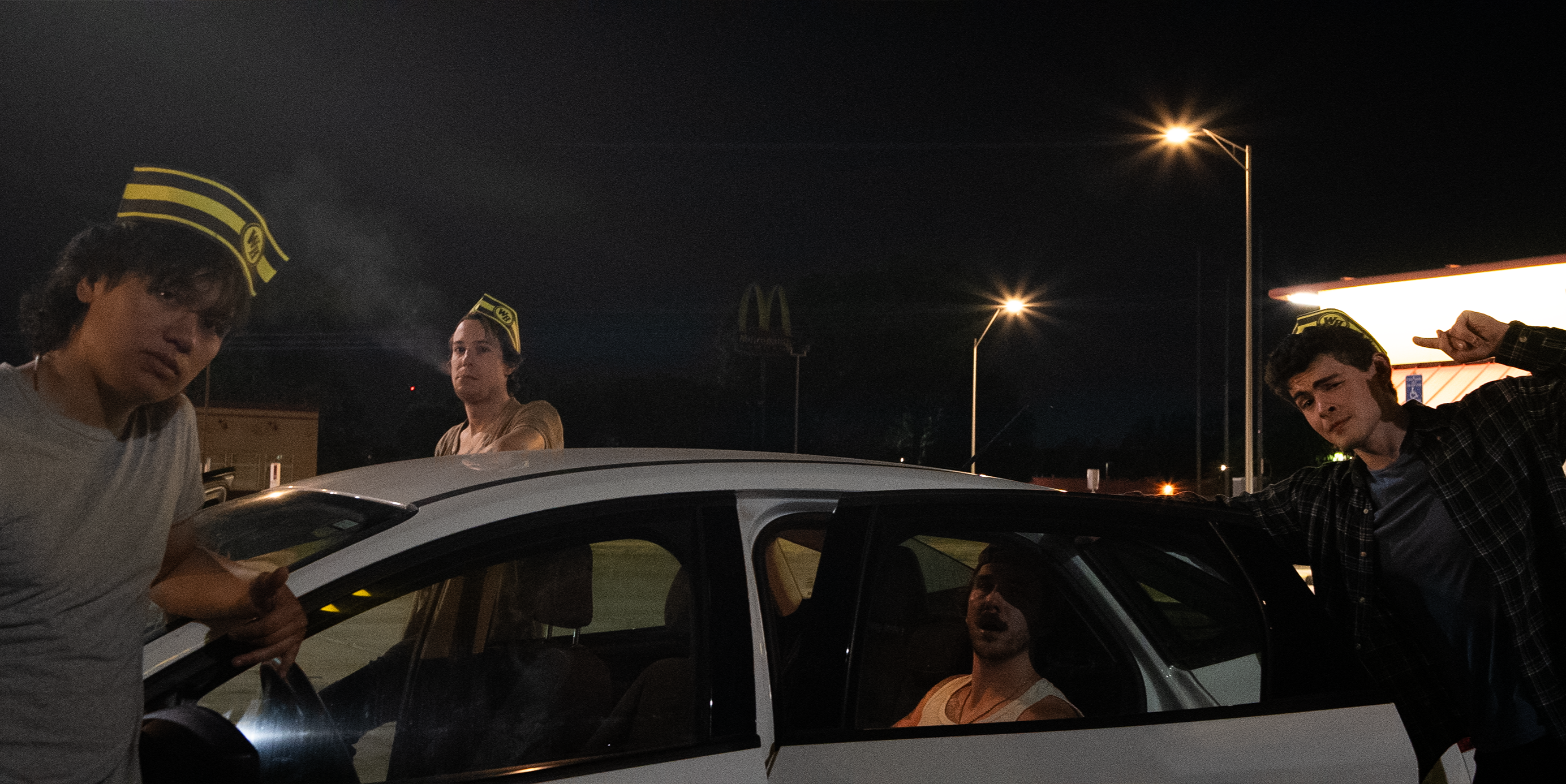
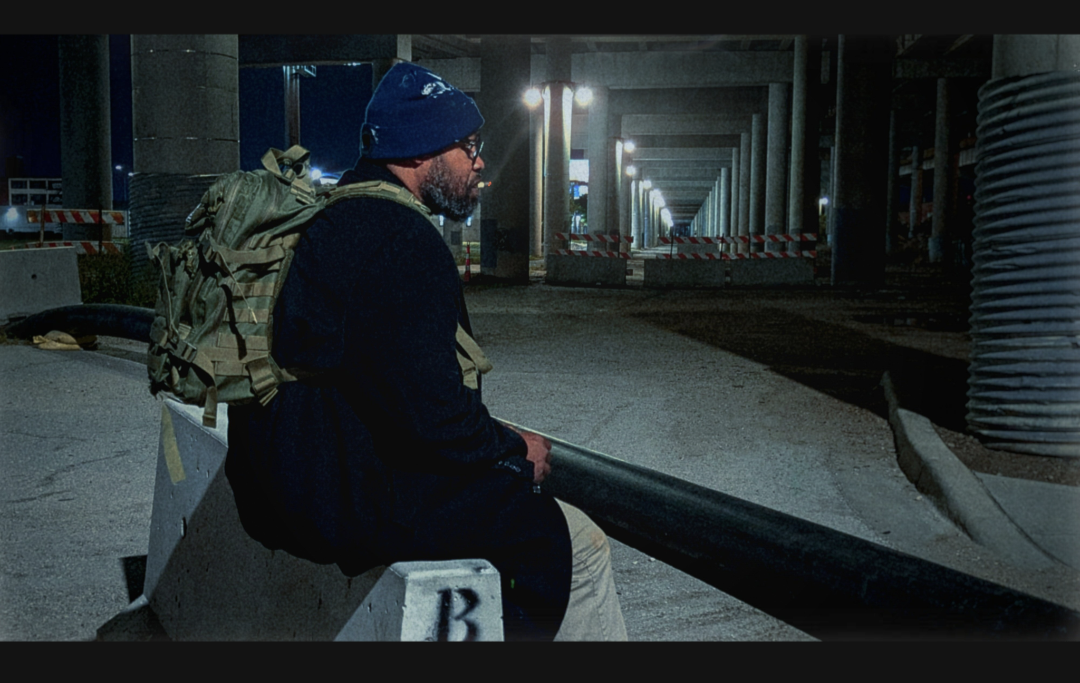
The finished film reflects a collaborative process between the screenplay and the performers who helped shape it. All locations seen in the film are real locations in and around Kansas City. The production relied heavily on location scouting, much of which began in May 2025. Many scenes were developed directly from environments discovered during this process, with locations influencing both the visual design of the film and the events that take place within it.
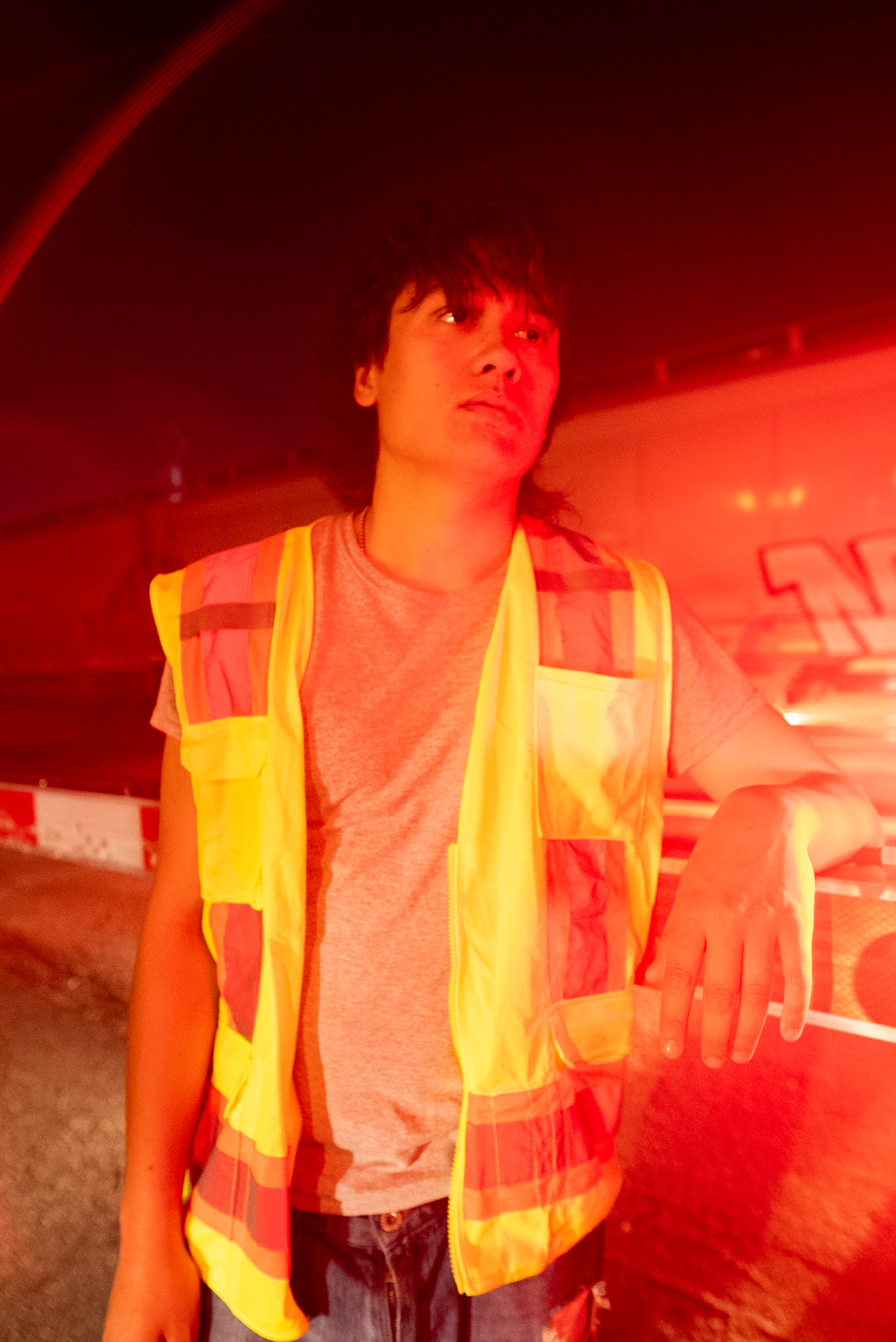
Principal photography took place over nine consecutive nights, with most filming occurring between 9:00 PM and 4:00 AM. The production operated with a small crew and minimal equipment. Camera work was shot entirely handheld using a Sony FX3, stabilized primarily through a neck strap and handheld rigging rather than traditional support systems.
Several sequences required cast and crew to travel considerable distances on foot. In some locations, including the parkland and river environments featured in the film, access was limited to a single parking area, requiring equipment and personnel to move through the landscape as part of the production process.
The methods used on "The Thrill of Speed" reflect an approach that Conquistadore Films intends to continue exploring: small crews, real locations, flexible production methods, and a willingness to allow the realities of a location and the contributions of performers to shape the finished work.
Director's Statement
Director's Statement
The bones of The Thrill of Speed can be traced back to my experiences working labor jobs in my early twenties. From warehouses to temporary construction jobs, I encountered a wide range of people from different backgrounds working miserable conditions to scrape by. The characters in this film are composites of different people I encountered in these jobs.
The story is derived from a specific group I knew while working as a package handler at FedEx in 2022. We had planned several times to go out and do something interesting after work. I was underage, and the older guy in the group would buy me beer and whatever liquor I wanted. A few years later, the story began to take form when I was fantasizing about what it would have been like if we had actually gone out drinking.
The plot originally grew from this fantasy about what could have happened, but over time the story matured into a drama that wrestled with why these people were the way they were, why they continued to work these miserable jobs and maintain self-destructive habits, and why they would always say they wanted to get out of it all, but never did.
Thom especially reflects my own personal confusion at nineteen, wanting nothing more than to escape the routine conditions that I began to blame on the city itself. The nocturnal limbo was a constant pressure at that age until it manifested in a voice that demanded I get out before it was too late. Ultimately, that propelled me toward the making of this film.
The film captures an approximation of the people trapped in that cycle. It is a very personal film because it portrays characters trapped in a condition I thoroughly empathize with, and a fear of stagnation that I recognize.
Crew
Crew
The film was produced without a formal crew. Aside from the cast, production responsibilities including directing, cinematography, sound recording, location management, transportation, and editing were handled by writer-director Michael Saye.